Last updated on October 24, 2026
Fuel is expensive, nobody needs to tell you that. And honestly, most of us waste more of it than we think. The good news is that you don’t need a new car or any mechanic secrets to spend less at the pump. A few changes in how you drive and how you look after your car can make a real difference. So here are 12 simple tips on how to save fuel, explained in plain words, and most of them you can start doing today.
How much fuel can you really save?
More than you’d expect. The U.S. Department of Energy says the average driver can improve fuel economy by roughly 10% just by adopting better habits, and the biggest gains come from the way you drive. You can check the numbers yourself in their guide to driving more efficiently. Of course, the exact figure depends on your car, your roads and your daily routine, but it’s rarely zero.
Driving habits that save fuel
1. Drive smoothly. This is the big one. Hard acceleration, late braking and sudden moves burn a lot of fuel for nothing. According to the Department of Energy, aggressive driving can lower your mileage by roughly 15% to 30% at highway speeds and 10% to 40% in stop-and-go traffic. Look ahead, lift off the accelerator early when you see a red light and let the car slow down by itself. It’s also safer, so it’s a win on both sides.
2. Respect the speed limit. Every car has its sweet spot, but fuel economy usually drops quickly once you go over 50 mph (about 80 km/h). The Department of Energy estimates that each 5 mph above 50 mph costs you around 7% more fuel. Driving a bit slower on the highway won’t make you arrive much later, and you’ll feel it in your wallet. More details on fueleconomy.gov.
3. Use cruise control when it makes sense. On flat, open roads a steady speed saves fuel in most cases. On very hilly roads it can be less efficient, so keep an eye on it.
4. Don’t idle for too long. A car that’s stopped with the engine running is using fuel and going nowhere. Idling can burn a quarter to a half gallon per hour, so if you’re going to wait more than a minute or so, turn it off (unless you’re in traffic, obviously). Also, no need to warm up the engine for ages, driving gently is the best way to do it.
Tires, weight and aerodynamics
5. Keep your tires properly inflated. Underinflated tires create more rolling resistance, so the engine has to work harder. Properly inflated tires can improve fuel economy by up to around 3% in some cases, and they’re safer and last longer too. Check them once a month with cold tires and use the value on the sticker inside the driver’s door (not the maximum number on the tire sidewall, as NHTSA explains). If you don’t know how, we have a step-by-step guide to check and set your tire pressure correctly. Worn tires and bad alignment also hurt, so take a look at how to check your tire wear and read about wheel alignment (camber and toe).
6. Get rid of the extra weight. That bag of tools, the old boxes, the sports gear you haven’t used since summer… all of it adds up. As a rule of thumb, every extra 100 lb (about 45 kg) can reduce your fuel economy by around 1%, and it affects smaller cars more. Empty the trunk and your wallet will thank you.
7. Take off the roof rack when you’re not using it. Roof boxes and racks add drag, and at highway speeds that can cost you a lot, in some cases up to about 25%. Rear-mounted cargo boxes are much better in this regard, but the best option is always to remove anything you don’t need.
Maintenance that helps you save fuel
8. Keep the engine in good shape. A badly tuned engine wastes fuel. Worn spark plugs, a dirty or faulty air flow sensor or any problem with the injection system can raise your consumption without you noticing. If your car suddenly drinks more than usual, check how often spark plugs should be changed and the symptoms of a defective air flow meter. For older, high-mileage engines, the opinion of mechanics on engine decarbonization might also be useful.
9. Use the right engine oil. The oil grade recommended in your owner’s manual is there for a reason. The right viscosity reduces friction inside the engine, and the Department of Energy says using the recommended grade can improve mileage by a small but real amount. Not sure how to choose? Here’s what engine oil does and how to pick the right one.
Smart habits for everyday trips
10. Combine your trips. A warm engine is more efficient than a cold one, so several short trips from a cold start use more fuel than one longer route with all your errands together. A little planning also helps you avoid traffic and unnecessary detours.
11. Use the A/C wisely. Air conditioning makes the engine work harder, so it does increase consumption. In the city, opening a window is usually cheaper than running the A/C. On the highway the difference is smaller because open windows create drag. Just use it when you really need it.
12. Don’t pay for fuel you don’t need. Use the fuel grade recommended in your manual. If your car doesn’t require premium fuel, it won’t give you better mileage and you’ll just spend more. And if you want to choose a car that drinks less in the first place, check our list of the top 20 cars with low consumption (petrol, diesel or hybrid).
Fuel-saving myths you can ignore
- «Coasting in neutral saves fuel.» Not really. In most modern cars the engine already cuts fuel when you lift off the accelerator in gear, and in neutral it has to burn fuel to keep idling. It’s also less safe because you have less control.
- «A new air filter will lower your consumption.» On older carbureted engines it can help a bit, but on modern fuel-injected cars a clogged filter mostly affects acceleration, not mileage. Change it when it’s due anyway.
- «Premium fuel is always better.» Only if your engine needs it. Otherwise you’re just paying more.
Fuel-saving tips at a glance
| # | Tip | Effort | Approximate impact |
|---|---|---|---|
| 1 | Drive smoothly | Easy | Up to 10%–40% depending on how you drive |
| 2 | Respect the speed limit | Easy | About 7% per 5 mph above 50 mph |
| 3 | Use cruise control | Easy | Helps on flat highways |
| 4 | Avoid long idling | Easy | Idling burns 1/4 to 1/2 gallon per hour |
| 5 | Check tire pressure | Easy | Up to about 3% |
| 6 | Remove extra weight | Easy | About 1% per 100 lb |
| 7 | Remove roof racks | Easy | Can be significant at highway speeds |
| 8 | Service the engine | Medium | Avoids hidden losses |
| 9 | Use the right oil | Easy | Small but real |
| 10 | Combine your trips | Easy | Fewer cold starts |
| 11 | Use the A/C wisely | Easy | Lower consumption on short trips |
| 12 | Use the right fuel | Easy | Saves money if you don’t need premium |
These numbers are approximate and come from U.S. Department of Energy data. Your own results will depend on the car and the way you use it.
Frequently asked questions
What is the easiest way to save fuel?
Drive smoothly. It costs nothing and it has the biggest effect. Accelerate gently, anticipate traffic and keep a steady speed.
Does driving slower always save fuel?
Not always, but above roughly 50 mph (80 km/h) fuel economy normally falls quickly. Very low speeds in a high gear aren’t efficient either, so the best is a calm, steady speed.
Do heavier cars really use more fuel?
Yes. More weight means more energy needed to move the car, especially in the city with lots of stopping and starting. Removing things you don’t need is a free way to improve consumption.
Is it better to open the windows or use the A/C?
In the city, windows are usually cheaper. At highway speeds the A/C and open windows are closer, because the open windows add drag.
That’s it! You don’t need to do all 12 at once. Pick two or three that are easy for you, like checking your tires and not driving so aggressively, and see how your consumption changes after a few tanks. If you have your own trick that works, well, you know where to find us.
Latest Posts Published
How to Save Fuel: 12 Easy Tips to Cut Fuel Use in 2026
Prepare Your Car for Winter: 10-Point Checklist (2026)
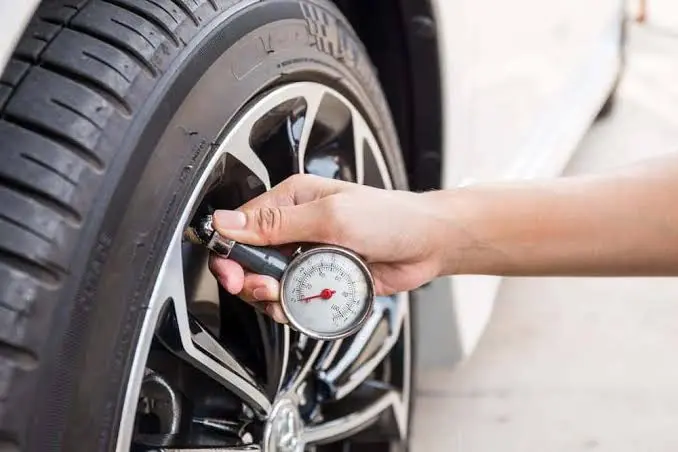
How to Check and Set Your Tire Pressure Correctly
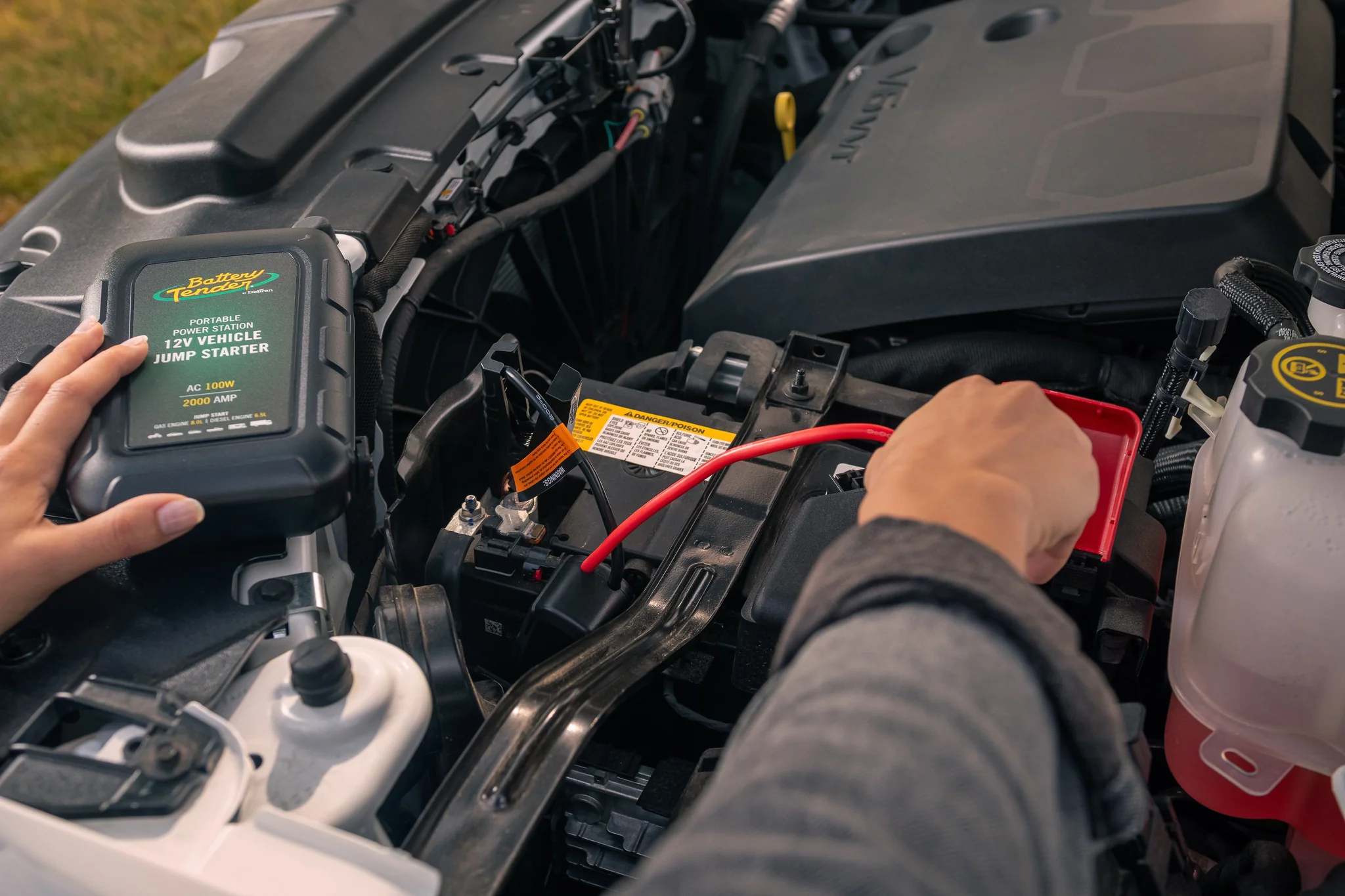
How to Jump-Start a Car Safely: Step-by-Step Guide

AI in Cars 2026: How Smart Cabins Are Tracking Your Every Move

Diesel hybrid car: I know everything
How to get rid of winter humidity?
That’s why it will explode sales