
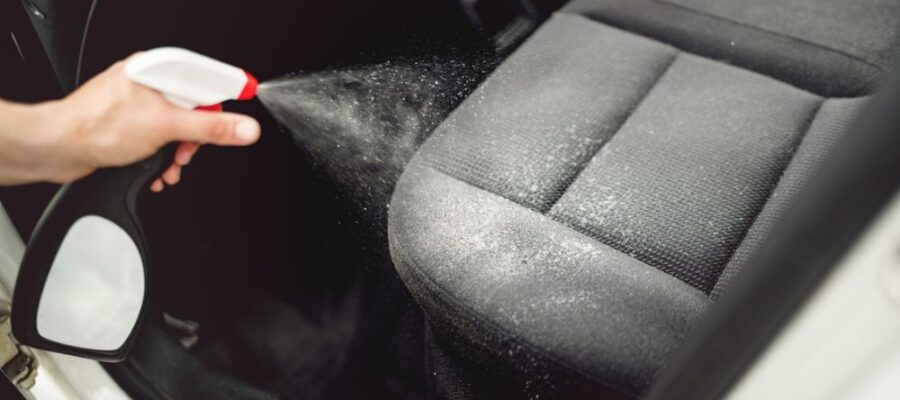
Over time, dirt can build up on the seats of your car and stains may appear, sometimes causing bad odors. Whether your seats are made of fabric or leather, several cleaning solutions exist to clean them. Discover all our tips, grandmother’s remedies and other tricks to keep your cabin seats in top condition.
Cleaning fabric car seats
If you have children or pets, you know that your vehicle’s seats can get dirty quickly and that a vacuum cleaner is not enough.
To remove the stains that appear over time on all surfaces and get rid of unpleasant odors, such as cigarette smoke, there are many everyday cleaning products that can be a valuable help.
Against food and dirt stains, ammonia is recommended, keeping the doors and windows open (or even wearing a mask), because the fumes can be harmful to your health. Rub the stains vigorously in circular motions before rinsing with a second cloth soaked in water.
Although irritating (gloves are needed), a cup of soda crystals mixed in a liter of water has a fairly effective action on fabrics.
Cleaning the car seats with a sponge, then rinsing with clear water (cold or lukewarm) before drying with a hair dryer are the three steps to make your interior look like new.
Ideal for oil or grease stains, detergent is effective when you mix two capfuls in a liter of water. Then simply dab the stain with a soaked sponge so that the liquid penetrates well into the fabric.
Using a steam cleaner lets you restore the shine of your seats, while sparkling water also works very well on a vomit stain because it helps remove embedded dirt (the cleaning can be completed with ammonia).
Finally, a chewing gum stuck to a car seat can disappear in a few minutes by placing an ice cube on top of it, even if any excess needs to be scraped off.
Leather seats: the different methods to maintain them
A noble material par excellence, the longevity of leather essentially depends on its maintenance and deep cleaning.
To protect leather seats and keep them in good condition, you should therefore clean them regularly and carefully (ideally repeating the operation every week).
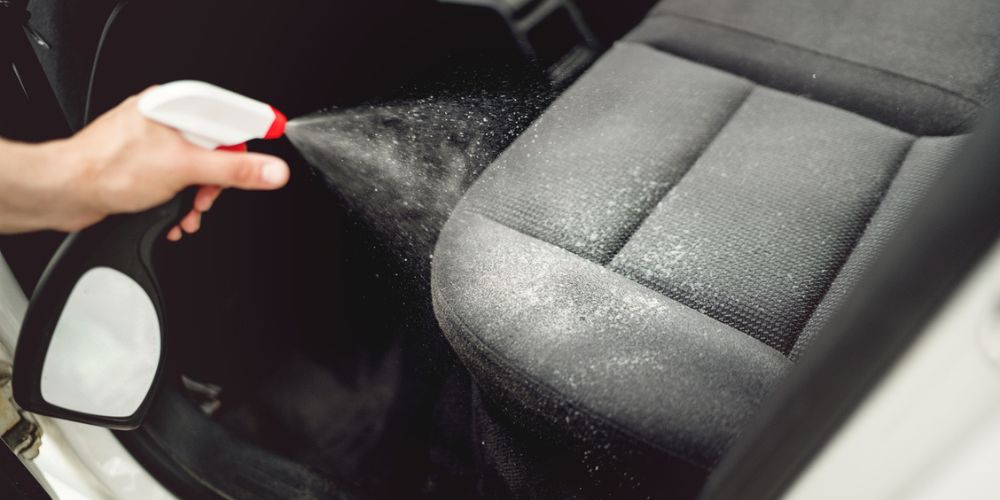
To avoid leaving even more noticeable marks, you can always test a small inconspicuous area of the seats first, because leather is a fragile material.
To begin with, it is advisable to dust your car seats with a microfiber cloth (or a slightly damp cloth), because pollution, pollen and outside particles settle on the seats even when the vehicle is not in use.
When dirt appears, you should act as soon as possible using suitable products, such as a pH-neutral cleansing milk that cleans and nourishes the leather deeply.
Practical cleaning wipes are ideal for quick everyday cleaning, as are balms or creams, which individuals and professionals can easily buy.
To tackle stubborn stains (an ink stain, for example), you can also use petroleum jelly, rubbing the car seat with a soft-bristled brush.
Grass or dirt stains can be treated first with cotton soaked in 90% alcohol before using a suitable product to nourish the leather (conditioner or cream).
Some tips for cleaning seats effectively recommend rubbing the leather with Marseille soap, mixing a cleaning product with white vinegar, or using white clay stone.
You can also use a mixture of white vinegar and linseed oil, talc for light-colored leather, or egg white to easily clean leather seats.
Number of views: 1 579
Latest Posts Published
How to Check and Set Your Tire Pressure Correctly
How to Jump-Start a Car Safely: Step-by-Step Guide

AI in Cars 2026: How Smart Cabins Are Tracking Your Every Move

Diesel hybrid car: I know everything

How to get rid of winter humidity?

That’s why it will explode sales

Become unbeatable with the light witnesses of your dashboard


Mechanics for mannequins