
Last updated on October 28, 2026
Buying a used car can save you a lot of money, but it can also turn into an expensive headache if you skip the boring parts. Hidden accidents, a messed-up odometer, an engine that’s about to give up… it happens more than people think. The good news is that you can avoid most of these problems with a bit of patience and a good plan. So here is a simple used car buying checklist with 15 checks, in the same order you’d actually do them: from the homework at home to the test drive and the final deal.
Do your homework first (checks 1 to 4)
1. Set a real budget. The price of the car is only the start. Add insurance, taxes, the transfer fees and the maintenance you might need in the first months. Fuel matters too, so if you drive a lot, look at our list of the top 20 cars with low consumption and these tips on how to save fuel.
2. Research the model. Every car has its typical weak points. Before you fall in love with one, search for its common problems and the engines that have a good reputation. We have guides about the best diesel engines that never break, the best petrol engines and popular models and their frequent problems.
3. Compare prices. Look at several ads for the same model, year, mileage and engine. If one car is much cheaper than the rest, ask yourself why before getting excited. A too-good-to-be-true price is the number one warning sign.
4. Call the seller before you go. A short phone call can save you a wasted trip. Ask why they are selling, how many owners the car had, if it has been in an accident, if there is a service history and if the car has any known problems. Pay attention to how they answer, not only to what they say.
Check the paperwork and the history (checks 5 to 8)
5. Check the documents. Ask to see the registration papers and the seller’s ID, and make sure the name matches. Ask for the service records, invoices and the manual. A car with a clear paper trail is almost always a safer bet than one with «I don’t remember» as the answer.
6. Match the VIN. The vehicle identification number (VIN) should be the same on the documents, on the plate by the windshield and on the car body or door frame. If something doesn’t match, walk away. Don’t try to explain it.
7. Get a vehicle history report and check for recalls. A history report can show accidents, title problems and mileage records. In the US, the NMVTIS buying tips explain how to get one. You should also check if the car has open safety recalls, using the VIN on the NHTSA recalls page (or the equivalent in your country). A report is useful, but it doesn’t catch everything, so don’t rely only on it.
8. Look at the technical inspection. Check when the last periodic inspection was done and what it said (it’s called MOT, ITV, ITP or contrôle technique depending on the country). It’s a good clue about the car’s condition. If you need more details, here are the required documents for the periodic technical inspection.
Walk around the car: body, paint and tires (checks 9 and 10)
9. Inspect the body and paint. Always look at the car in daylight and on dry weather, if possible. Walk around it slowly and look for uneven gaps between panels, paint that looks a different shade in some areas, overspray on rubber seals and rust, especially on wheel arches, doors and underneath. These are classic signs of an old accident or a cheap repair.
10. Check the tires. Tires tell you a lot. Uneven wear can point to alignment or suspension problems, and four different brands can mean the owner didn’t care much about maintenance. Check the tread depth and the age of the tires, and if you don’t know how, read our guide on how to check your tire wear. Remember that new tires are also a cost you can use to negotiate the price.
Under the hood and inside the car (checks 11 and 12)
11. Check the fluids, leaks and the cold start. Ask the seller not to start the engine before you arrive. A cold engine shows problems that a warm one can hide, like rough idling, strange noises or smoke at start. Look at the oil level and colour (a milky, foamy look under the oil cap can be a sign of coolant mixing with oil, which needs a mechanic’s opinion), check the coolant and look under the car for fresh leaks. If you see white or blue smoke, our guide on white or blue smoke on diesel and petrol engines explains the possible causes. Also ask when the timing belt or chain was last changed.

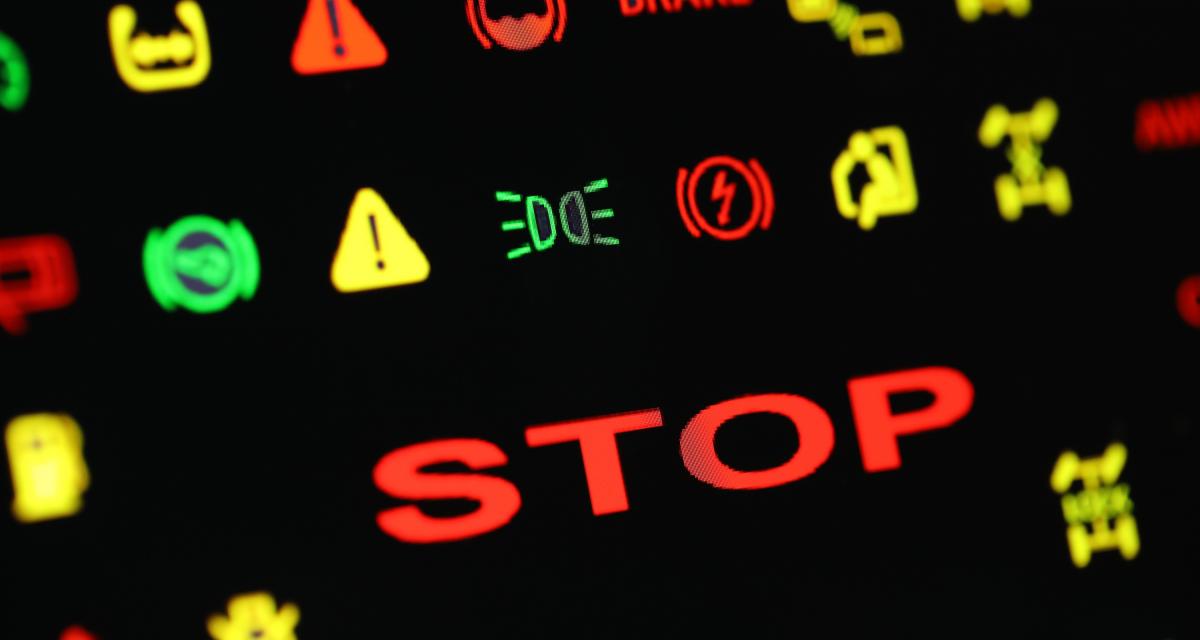
12. Test the interior and the electronics. Try every window, lock, mirror, the radio, the lights and the heating. Turn on the A/C and see if it really gets cold (here are the symptoms of a defective air conditioning system). When you turn the key, the warning lights should come on and then go off. If a light never comes on at all, someone may have removed the bulb to hide a problem. You can check what each symbol means in our guide to dashboard warning lights. Finally, smell the cabin: a damp or musty smell, mud under the carpets or rust on the seat rails can be signs of flood damage. And compare the wear of the pedals, steering wheel and seats with the mileage on the display, they should tell the same story.
Test drive and professional inspection (checks 13 to 15)
13. Take a proper test drive. Don’t just go around the block. Drive for at least 20 or 30 minutes on different roads, including hills, a highway and stop-and-go traffic, as the FTC recommends in its advice for used car buyers. Turn the radio off and listen. While you drive, pay attention to:
- Steering: the car should go straight without pulling to one side.
- Brakes: it should stop in a straight line, without vibrations or noises (more about brake discs).
- Clutch and gearbox: smooth shifts, no slipping and no strange noises. Here are the symptoms of a defective clutch.
- Suspension: knocks over bumps or a bouncy ride can mean worn shock absorbers (see the symptoms of worn shock absorbers).
- Vibrations and noises: at different speeds and when you turn.
14. Scan the car with an OBD reader. A cheap OBD scanner can show stored fault codes that the dashboard doesn’t. It’s not magic, since codes can be cleared, but it’s a quick extra check. If you want to buy one, take a look at the best universal car diagnostic testers.
15. Get an independent mechanic to inspect it. This is probably the most useful check of all. Pay a mechanic you trust, not one the seller recommends, to look at the car on a lift. The FTC recommends it even if the dealer says the car has already been inspected or «certified». Yes, it costs some money, but it’s much cheaper than finding a big problem a month later. If the seller refuses to let you do it, that’s already an answer.
Used car checklist at a glance
| What to check | What to look for | Red flag |
|---|---|---|
| Documents | Registration, ID, service records | Name doesn’t match, missing papers |
| VIN | Same number on documents, windshield and body | Different or damaged numbers |
| History and recalls | Accidents, mileage, open recalls | Mileage that goes down or doesn’t add up |
| Body and paint | Even gaps, same paint shade | Overspray, rust, uneven panels |
| Tires | Even wear, good tread, recent date | Uneven wear, cracked or very old tires |
| Engine (cold start) | Smooth start, clean fluids | Smoke, leaks, milky oil, loud noises |
| Interior | Everything works, wear matches mileage | Damp smell, mud, missing warning lights |
| Test drive | Straight steering, good brakes, smooth gearbox | Pulling, vibrations, slipping clutch |
| Mechanic inspection | Full check on a lift | Seller refuses an independent inspection |
Red flags: when to walk away
- The seller is in a big hurry and pushes you to decide today.
- The papers are incomplete, or the VIN or the owner’s name don’t match.
- They refuse an independent inspection or don’t let you drive the car properly.
- The price is far below the market with a vague explanation.
- They ask for a deposit or a large cash payment before you have even seen the car.
- The mileage doesn’t match the wear of the car or the service records.
There are plenty of used cars out there. You don’t need to buy the first one, and walking away is always an option.
Negotiate and close the deal safely
If the car passes all the checks, you can use what you found to negotiate. Worn tires, a service that’s due or a small repair are all fair reasons to ask for a lower price. Then put everything in writing. Our guide to the car sales contract can help you with the model, and here are the required documents to transfer the car into your name. Also make sure you have insurance before you drive it home.
One more thing about the rules: in the US, dealers must display a Buyers Guide on every used car, while private sellers usually sell «as is», so the independent inspection is even more important in a private sale. The rules are different in each country, so check yours.
Frequently asked questions
How many miles is too many for a used car?
There is no magic number. A well-maintained car with high mileage can be a better buy than a low-mileage car that has been neglected, so the service history matters more than the odometer alone. Of course, very high mileage means more risk of expensive repairs soon.
Is it better to buy from a dealer or from a private seller?
Both can work. Dealers usually offer some warranty and handle the paperwork, but prices are often higher. Private sales can be cheaper, but you have fewer protections, so you need to be more careful with the checks and the inspection.
Is a vehicle history report enough?
No. It’s a very useful tool, but it only shows what was reported. It can’t tell you if the brakes are worn or if the engine has a problem, so you still need the physical check and, ideally, a mechanic.
How long should a test drive be?
At least 20 or 30 minutes, with a mix of city, highway and hills if possible. The longer the car runs, the more likely a hidden problem shows up.
That’s the whole checklist. It looks like a lot, but once you’ve done it a couple of times it goes fast, and it can easily save you hundreds or even thousands. And when you finally have the car, take care of it: here’s our checklist to prepare your car for winter.
Latest Posts Published
Used Car Buying Checklist: 15 Checks Before You Buy (2026)
How to Save Fuel: 12 Easy Tips to Cut Fuel Use in 2026
Prepare Your Car for Winter: 10-Point Checklist (2026)
How to Check and Set Your Tire Pressure Correctly
How to Jump-Start a Car Safely: Step-by-Step Guide

AI in Cars 2026: How Smart Cabins Are Tracking Your Every Move

Diesel hybrid car: I know everything

How to get rid of winter humidity?
That’s why it will explode sales